
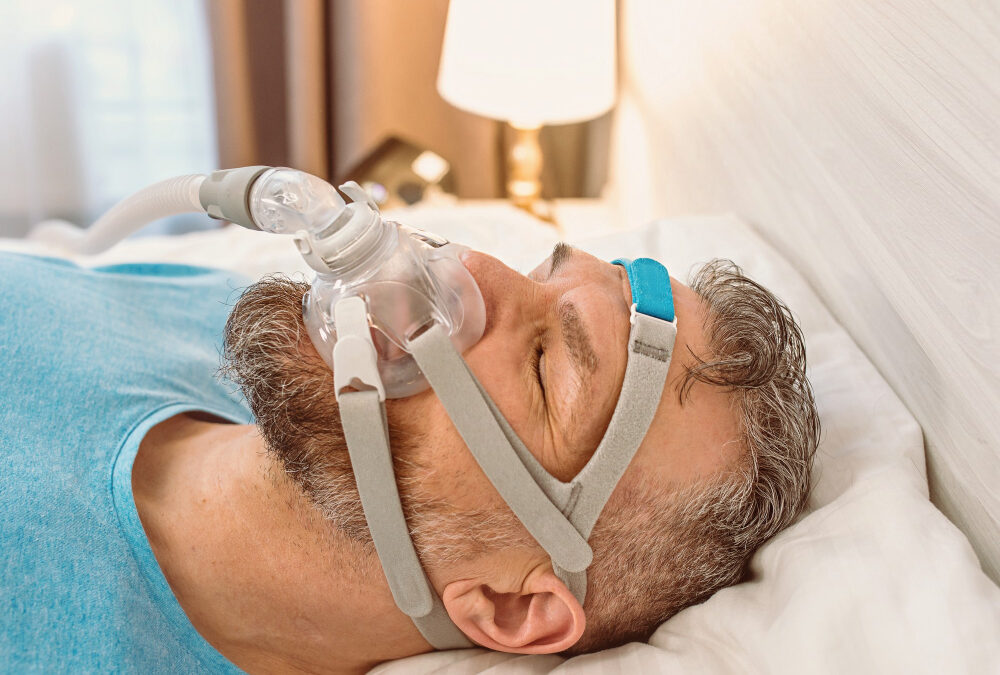
If you’ve been diagnosed with obstructive sleep apnea (OSA), you already know how important treatment is. But knowing you need treatment and finding a treatment you can comfortably use every night are two different things.
Continuous positive airway pressure, or CPAP, is one of the most common treatments for obstructive sleep apnea. For many people, it works very well. For others, however, sleeping with a mask, tubing, air pressure, or a bulky machine can make consistent treatment difficult.
If you find yourself taking your mask off during the night, struggling with discomfort, avoiding travel because of your CPAP equipment, or simply feeling frustrated with your current treatment, you’re not alone.
Depending on your individual needs, oral appliance therapy may provide another option for managing obstructive sleep apnea—either on its own or as part of a combined treatment approach.
What Is Oral Appliance Therapy?
Oral appliance therapy uses a small, custom-made device worn in the mouth while you sleep. Although it may look somewhat similar to a retainer or mouthguard, a sleep appliance is specifically designed to help support an open airway.
During sleep, the muscles of the upper airway naturally relax. In people with obstructive sleep apnea, tissues can narrow or block the airway, repeatedly interrupting normal breathing throughout the night.
A custom oral appliance typically works by gently repositioning and stabilizing the lower jaw and associated structures to help reduce airway collapse and support airflow during sleep.
For the right patient, this can help reduce obstructive breathing events and snoring while supporting healthier, more restorative sleep.
Why Some Patients Prefer an Oral Appliance
Sleep apnea treatment only works when it is actually used. That makes comfort, convenience, and long-term adherence an important part of choosing an appropriate treatment.
Oral appliances are compact, quiet, portable, and do not require electricity, tubing, or a facial mask. For some patients, that makes treatment easier to incorporate into everyday life.
They may be particularly appealing for people who:
- Have difficulty tolerating their CPAP mask or air pressure
- Frequently remove their CPAP during sleep
- Travel often and want a more portable treatment option
- Experience mask-related discomfort or irritation
- Have been diagnosed with mild to moderate obstructive sleep apnea and are appropriate candidates for oral appliance therapy
- Have been prescribed CPAP but struggle to use it consistently
The best treatment, however, depends on the individual. Sleep apnea varies considerably from one person to another, which is why oral appliance therapy should be recommended and managed based on each patient’s diagnosis, anatomy, symptoms, and overall health.
Does Oral Appliance Therapy Replace CPAP?
Sometimes—but not always.
CPAP remains an important and highly effective treatment for obstructive sleep apnea, particularly in patients with more severe OSA. Oral appliance therapy isn’t about declaring one treatment “better” than another. Instead, the goal is to determine which approach can safely and effectively manage your sleep-disordered breathing.
For some patients, a custom oral appliance can serve as an alternative when CPAP isn’t tolerated or when oral appliance therapy is otherwise clinically appropriate. For others, the two treatments can actually work together.
Oral Appliances and CPAP Can Be Used Together
Many patients are surprised to learn that sleep apnea treatment doesn’t necessarily have to be an either/or decision.
In some cases, an oral appliance may be incorporated into a combination therapy approach alongside CPAP. By helping support the airway mechanically, the appliance may allow some patients to use CPAP more comfortably or at different pressure settings when directed by their sleep-care team.
This type of collaborative approach can be particularly valuable when a patient benefits from CPAP but struggles with comfort or consistent use.
The ultimate goal isn’t simply to prescribe a device. It’s to develop a treatment strategy that supports healthy nighttime breathing and that you can realistically maintain.
Why a Custom Sleep Appliance Matters
Oral appliance therapy involves much more than purchasing a generic mouthguard.
A professionally designed sleep appliance is customized to the individual patient’s mouth, bite, jaw position, airway needs, and treatment goals. Proper evaluation, fitting, adjustment, and follow-up are important both for effectiveness and for protecting the health and function of the jaw and teeth.
At the TMJ & Sleep Therapy Centre of New Hampshire, we take a comprehensive approach to sleep-disordered breathing. Advanced diagnostic technology allows us to evaluate factors that may contribute to airway obstruction and better understand each patient’s unique anatomy and function.
When oral appliance therapy is appropriate, the appliance is carefully selected, fitted, and adjusted with both the airway and the jaw system in mind.
Follow-up is an important part of that process. As treatment progresses, adjustments may be made to improve comfort, support airway function, and help patients achieve the best possible therapeutic result.
Sleep Apnea Is About More Than Snoring
Snoring is often what first brings attention to a nighttime breathing problem, but obstructive sleep apnea can affect far more than the person sleeping next to you.
Repeated interruptions in breathing can fragment sleep and prevent the body from getting the restorative rest it needs. People with sleep-disordered breathing may experience symptoms such as:
- Persistent daytime fatigue
- Morning headaches
- Difficulty concentrating or “brain fog”
- Waking frequently during the night
- Dry mouth upon waking
- Restless or unrefreshing sleep
- Mood changes or irritability
- Loud or chronic snoring
- Gasping, choking, or pauses in breathing during sleep
Untreated obstructive sleep apnea is also associated with important long-term health concerns, making appropriate diagnosis and ongoing treatment essential.
If you suspect sleep apnea but haven’t been diagnosed, the first step is appropriate evaluation and diagnosis by a qualified medical provider. If you’ve already been diagnosed but aren’t successfully using your prescribed therapy, it’s worth discussing your options rather than simply giving up on treatment.
Treatment Should Fit the Patient
There is no single sleep apnea treatment that is ideal for every person.
At the TMJ & Sleep Therapy Centre of NH, our goal is to understand the factors contributing to each patient’s sleep-disordered breathing and help identify an appropriate, sustainable path forward. For some patients, that means oral appliance therapy. For others, it may mean working collaboratively with their physician or sleep specialist as part of a broader treatment plan.
If CPAP has become a nightly battle, don’t assume your only choices are to struggle through it or stop treating your sleep apnea altogether.
There may be another approach.
Ready to Explore Your Options?
If you or a loved one has been diagnosed with obstructive sleep apnea and you’re struggling with CPAP—or you’re interested in learning whether oral appliance therapy could be appropriate for you—the team at the TMJ & Sleep Therapy Centre of New Hampshire is here to help.
We combine advanced diagnostics, individualized treatment planning, and careful follow-up to help our patients find solutions designed around their airway, their health, and their everyday lives.
Better sleep starts with better breathing.
Contact the TMJ & Sleep Therapy Centre of NH today to schedule a consultation and learn whether oral appliance therapy could be part of your path toward healthier sleep and brighter days.